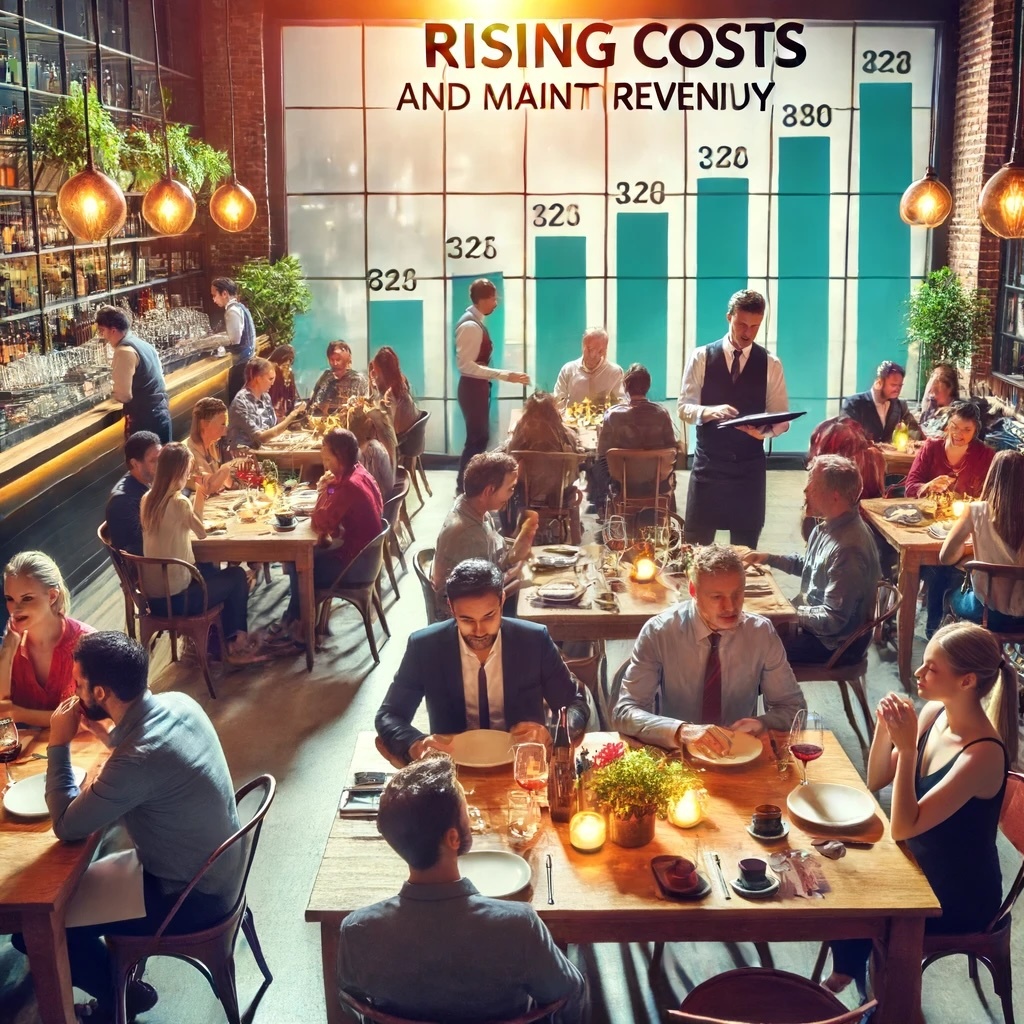
The food and beverage (F&B) industry is facing a significant challenge with rising costs and revenue pressures. From increased food prices to higher labor costs, these financial strains are affecting profitability and operational efficiency. Understanding these challenges and finding ways to mitigate them is essential for the survival and success of F&B businesses.
The Cost Conundrum
Several factors contribute to the rising costs in the F&B industry:
- Food Price Inflation: Global supply chain disruptions and increased demand have led to higher prices for food and beverages. Ingredients that were once affordable are now becoming expensive, squeezing profit margins.
- Labor Costs: The shortage of workers has led to increased wages as businesses compete to attract and retain staff. Additionally, benefits and training costs have also risen, adding to the financial burden.
- Operational Expenses: Energy costs, rent, and other operational expenses have also increased, further straining the financial resources of F&B establishments.

Impact on Revenue
Despite some recovery post-pandemic, many F&B businesses have not returned to pre-2019 revenue levels. The combination of reduced capacity, fluctuating customer demand, and increased costs has created a challenging environment. However, there are strategies that businesses can implement to navigate these difficulties.
Strategies for Managing Costs and Boosting Revenue
- Optimizing Menu Pricing: Adjusting menu prices to reflect current costs while maintaining customer satisfaction is crucial. Offering smaller, high-margin items can help increase revenue without significantly raising prices.
- Streamlining Operations: Implementing efficient practices in the kitchen and dining areas can help reduce waste and save on costs. This includes optimizing inventory management and reducing energy consumption.
- Exploring Alternative Revenue Streams: Diversifying revenue streams through catering services, online orders, and delivery can help mitigate the impact of reduced in-house dining.
- Leveraging Technology: Utilizing technology to automate tasks, manage reservations, and optimize staffing can improve efficiency and reduce labor costs. Technologies like AI and IoT can also help in predicting trends and managing resources more effectively.
A popular restaurant chain in Texas managed to offset rising costs by introducing a dynamic pricing model. By adjusting prices based on demand and supply, they were able to maintain profitability. Another example is a small café in Seattle that started offering online cooking classes, generating additional revenue and attracting a new customer base.
Rising costs and revenue challenges are significant hurdles for the F&B industry. However, by adopting strategic measures such as optimizing menu pricing, streamlining operations, exploring alternative revenue streams, and leveraging technology, businesses can navigate these challenges effectively. The key to success lies in adaptability and innovation, ensuring that the F&B industry continues to thrive despite financial pressures.